
Contents (go to): Introduction ¦ Programmes overview ¦ Programme 1 ¦ Programme 2 ¦ Programme 3 ¦ Programme 4 ¦ Programme 5 ¦ Programme 6 ¦ Programme 7 ¦ Programme 8 ¦ Key Themes and Timeline ¦ Using Community Radio in GCDE ¦ Guidelines for Educators ¦ Conclusion

An oral history of development education in Ireland
Author: Dr Gertrude Cotter
Principal investigator: Dr Gertrude Cotter
The Praxis Project, School of Education, UCC, September 2024

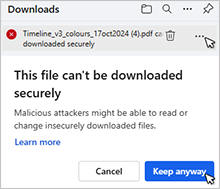 Full resource: “An oral history of development education in Ireland: A Resource for Higher Education Educators” is available for download in PDF format at
<http://praxisucc.ie/wp-content/uploads/2025/02/Radio_hist-DE_v4_col_01feb2025.pdf>
(Opens in a new tab or window. To download, right-click and “Save link as”: PDF = 2MB.
If you see the message “This file can’t be downloaded securely”, please hover over the message to the ellipses “…” and select “keep”, and “Keep anyway“).
Introduction
Development Education (DE) is a critical pedagogical approach to education that aims to increase awareness and understanding of the rapidly changing, interdependent, and unequal world in which we live. It seeks to engage people in an analysis of the root causes of global issues, such as poverty, inequality, and injustice, and to encourage them to take action towards social change and sustainable development. DE is significant because it equips learners with the knowledge, skills, values, and attitudes needed to become informed, active, and responsible global citizens.
The purpose of this resource is to document and share the rich history of DE in Ireland through the voices of those who have contributed to and shaped its development. By capturing first-hand accounts, this resource aims to preserve the narratives and experiences of key figures in the field, providing a valuable historical record that highlights the evolution, challenges, and achievements of DE in Ireland.
Aims and objectives of the resource
This resource aims to provide third-level educators with historical insights and narratives of DE in Ireland. It serves as a comprehensive educational tool, enabling educators to integrate the historical context and development of DE into their teaching. By presenting detailed narratives and first-hand accounts, it enriches the curriculum and engages students in discussions about the importance and impact of DE. Additionally, it can be adapted to any age group, making it a versatile resource for various educational settings.
Furthermore, the resource offers a comprehensive understanding of the evolution, challenges, and achievements in DE. It explores the history of DE in Ireland, examining significant milestones, influential figures, and key events that have shaped its development. It also addresses the socio-political context in which DE has evolved, highlighting the challenges faced by DE practitioners and the achievements made. This emphasis on the ongoing relevance and importance of DE underscores its significance in today’s world.
Overview of the resource
The resource centres around the “Global Hub” radio series, presented by Gertrude Cotter at Community Radio Youghal and funded by Trócaire. Through this resource, educators and students can explore the history, motivations, and key themes of GCDE in Ireland, using participatory approaches that foster critical thinking, discussion, and engagement with global justice issues.
The Global Hub series comprises interviews and discussions with key figures in the development education sector in Ireland, providing first-hand accounts of the field’s evolution from the 1970s to the present. This resource utilises these episodes to explore the complex and multi-faceted nature of GCDE, covering topics like the history of activism, the role of non-governmental organisations, educational methodologies, and the ongoing challenges of incorporating GCDE into formal and non-formal educational settings.
About Community Radio Youghal, Trócaire, and the Global Hub
 Community Radio Youghal (CRY 104FM) is a local radio station committed to giving voice to community issues and promoting social justice through participatory media. As a community-based platform, it plays an important role in facilitating dialogue, raising awareness, and engaging local audiences in critical discussions on global topics.
Trócaire is one of Ireland’s leading international development organisations, with a long-standing commitment to development education and global justice. Through its educational programmes, Trócaire empowers individuals and communities to understand and address the root causes of global inequalities, fostering a sense of global citizenship.
The Global Hub radio series is a radio show presented by Gertrude Cotter that focuses on global justice issues. The series of eight episodes featured in this resource documents the journey of development education in Ireland. It captures the voices of educators, activists, policymakers, and community members who have contributed to the GCDE landscape over the past several decades. The series provides a unique historical and personal insight into the changing landscape of development education and offers valuable learning material for educators and students.
How to use this resource
This resource is intended for educators in higher education settings but can be adapted for use with second-level educators, youth workers, and community group facilitators. The chapters and activities are designed to be flexible and adaptable, allowing educators to tailor the material to their specific context, disciplinary focus, and student needs.
Educators can use the resource in various ways
- As a Teaching Tool: Integrate episodes from the “Global Hub” series into your curriculum to introduce students to the evolution of GCDE in Ireland. An educator can use the discussion questions, participatory activities, and analysis provided in this resource to foster engagement and critical reflection.
- For Professional Development: Use this resource as a guide to deepen your understanding of GCDE, explore new methodologies, and reflect on your teaching practice.
- For Student Projects: Encourage students to use the “Global Hub” series as a primary source for research projects, creative assignments, and community-based learning initiatives.
Programmes overview
The “Global Hub” radio series offers an insightful exploration of the history and practice of development education in Ireland. Each episode features interviews with individuals who have significantly contributed to the GCDE landscape, providing both personal and professional perspectives on the field’s evolution.
List of guest speakers at “Global Hub” radio shows
- Programme 1: 1950s and 1960s onwards: Enid Chaloner, Colm Regan and June Barry
- Programme 2: 1970s and 1980s onwards: Mary Mangan, Tony Daly and Eilish Dillon
- Programme 3: 70s to 90s onwards: Robin Hannon, Mariam Olusoji and Stephen McCloskey
- Programme 4: 1990s and 2000s: Peadar Kirby, Adrianne Boyle and Patsy Toland
- Programme 5: 2000s to today: George Jacob, Dorothy Jacob, Sophie McElligott and Adedotun Adekeye
- Programme 6: Recent times: Laura Power, Dr Su Ming Khoo and Eric Ehigie
- Programme 7: Development Education: Vicky Donnelly, John Barimo and Valery Malay
- Programme 8: Development Education today and in the future: Aine Dooley, Heather Campbell and John Smith
“Global Hub” radio host and presenter
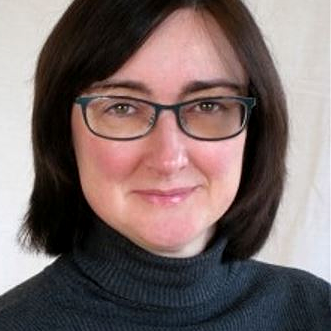 Dr Gertrude Cotter was the host of the Global Hub series on Community Radio Youghal. She has been involved in global justice education for several years, bringing awareness to issues of social justice, human rights, and sustainable development. Gertrude’s background spans education, activism, and media, and she has worked extensively in promoting global citizenship education in Ireland.
- The Radio Shows accompanying this resource are available to listen below and each of the eight sections include a transcript of the audio programme.
Global Hub: Guest speakers and radio programmes
Programme 1: 1950s and 1960s onwards
P1, Guest 1. Enid Chaloner
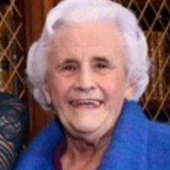 Enid Chaloner is a retired teacher that helps understand life in Ireland and Nigeria during the 1950s. Having lived in Nigeria for 18 months with her civil engineer husband, Enid witnessed the transformative impact of the Nigerian railways on the country’s economy. Her rich memories from that time offer insights into colonialism, infrastructure development, and relations between Ireland and Nigeria.
P1, Guest 2: Colm Regan
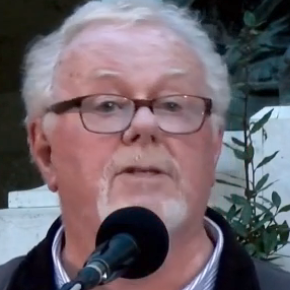 An influential figure in development and human rights education for over 40 years. His career includes work in Ireland, the UK, Zambia, Australia, Rwanda, Brazil, Vietnam, and Malta. He was the coordinator of the NGO 80:20 – Educating and Acting for a Better World and now teaches at the University of Malta.
P1, Guest 3: June Barry
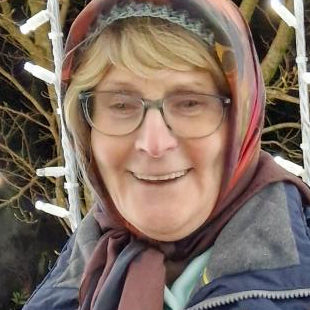 June is a former teacher and youth worker with a rich background in development education. She worked in Nigeria and later became involved with Ógra Chorcaí, supporting youth leaders in Cork.
Global Hub Programme 1
In this first episode of Global Hub, host Gertrude Cotter introduces the series, which explores the history of development and global citizenship education in Ireland. The episode focuses on personal stories from three guests: Enid Chaloner, Colm Regan, and June Barry. Enid shares her experiences of living in Nigeria in the 1950s, discussing colonialism, the development of the Nigerian railways, and life as a European woman in post-colonial Africa. Colm reflects on his four decades of work in development and human rights education, touching on the civil rights movement in Ireland, anti-apartheid activism, and the missionary movement’s influence on development education. June speaks about her life in England during World War II, her time as a teacher in Nigeria, and her extensive work in youth and development education in Cork. The show is an insightful exploration of Ireland’s involvement in global development issues, framed by personal stories and historical context.
Listen to Programme 1: 1950s and 1960s onwards (1hr)
Transcript: “Programme 1: 1950s and 1960s onwards” is available for download in PDF format at
<http://praxisucc.ie/wp-content/uploads/2025/01/Radio_Prog-1_transcript_oral-hist-DE_2024.pdf>
(Opens in a new tab or window. To download, right-click and “Save as”: PDF = 300KB).
Programme 2: 1970s and 1980s onwards
P2, Guest 1. Mary Mangan
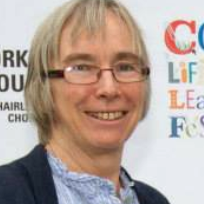 Mary Mangan, a development educator with diverse experience, discusses her work in various roles, including as a teacher, psychotherapist, and activist. She reflects on her time as a volunteer teacher in Cameroon and her involvement with the organization “Comhlámh” (formerly the Association of Returned Development Workers). Mary shares how her upbringing and experiences abroad have shaped her commitment to transformative education and global justice.
P2, Guest 2. Tom Daly
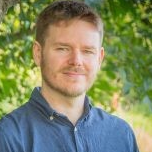 Tony Daly, coordinator of the Irish development education and human rights organisation “80:20 Educating and Acting for a Better World,” shares insights into his experiences. Having spent his early years in South Africa, Tony reflects on the impact of inequality and global power dynamics. He emphasises the importance of grassroots activism and highlights how his family’s choices in apartheid South Africa influenced his views on social justice and human rights.
P2, Guest 3. Dr Eilish Dillon
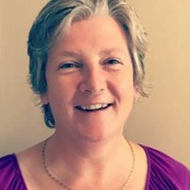 Dr Eilish Dillon, head of the Department of International Development at Maynooth University, discusses her extensive experience in international development activism. She delves into the various aspects of development education, ethical communication among NGOs, and the evolution of development education over her 30-year career. Eilish highlights the importance of ethical engagement and critical global education.
Global Hub Programme 2
In this episode, Mary Mangan, Tony Daly and Dr Eilish Dillon discuss their journeys into development education, activism, and global citizenship. They explore themes of inequality, activism, solidarity, and ethical communication in global education.
Mary Mangan reflects on her early influences and her work in Cameroon, sharing insights into the challenges of post-colonial education and the importance of transformative work. She describes her involvement in Comhlámh, an organisation committed to social justice and global activism, and the work they did in raising awareness and mobilising people for change.
Tony talks about his time growing up in South Africa during apartheid and the influence of his parents’ activism on his outlook. He emphasises the need for individuals to connect personally to global issues to foster a sense of activism.
Dr Eilish Dillon shares her experiences in development education, including her time spent teaching and advocating for global justice and ethical communication in the NGO sector. She also touches on the challenges and opportunities in education around global issues, particularly in Ireland.
Listen to Programme 2: 1970s and 1980s onwards (1hr)
Transcript: “Programme 2: 1970s and 1980s onwards” is available for download in PDF format at
<http://praxisucc.ie/wp-content/uploads/2025/01/Radio_Prog-2_transcript_oral-hist-DE_2024.pdf>
(Opens in a new tab or window. To download, right-click and “Save as”: PDF = 300KB).
Programme 3: 1970s to 1990s onwards
P3, Guest 1. Robin Hannon
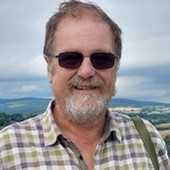 An activist deeply involved in human rights and social justice, with extensive experience working in Nicaragua during the 1980s. He has also worked with organisations like Comhlámh (Association of Returned Development Workers) and the Irish Refugee Council, advocating for locally-led development and community-based approaches to social justice.
P3, Guest 2. Mariam Olusoji
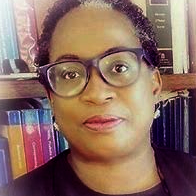 An asylum seeker who arrived in Ireland around 20 years ago and became actively involved in development education. She chaired Nasc (the Irish Immigrant Support Centre) in Cork and contributed significantly to development education projects in the organization. Marian is now a qualified solicitor in Ireland.
P3, Guest 3. Stephen McCloskey
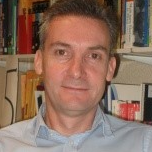 Director of the Centre for Global Education in Belfast, he has dedicated his work to development education in both formal and informal sectors. His focus is on global learning, international development, and promoting critical thinking about global issues. His experiences growing up in West Belfast during the Troubles significantly shaped his understanding of politics and global justice.
Global Hub Programme 3
In Episode 3 of the Global Hub series, Gertrude Cotter hosts Robin Hanan, Mariam Olusoji, and Stephen McCloskey, who explore the history, evolution, and current challenges of development education in Ireland. The episode delves into the personal journeys and motivations of each speaker, revealing how their experiences, both local and global, shaped their commitment to social justice and development education. The discussion spans topics such as Ireland’s activist tradition, political struggles, solidarity with the Global South, and how issues like neoliberalism, forced migration, and gender inequality are central to development education.
Each guest shares their involvement in development education, particularly through the organizations they’ve worked with, such as Comhlámh, NASC, and the Centre for Global Education. They also reflect on the changes in the sector over the decades, discussing the tension between funding, volunteerism, and the need for a more radical, action-oriented approach to tackling global injustices.
Listen to Programme 3: 1970s to 1990s onwards (1hr)
Transcript: “Programme 3: 1970s to 1990s onwards” is available for download in PDF format at
<http://praxisucc.ie/wp-content/uploads/2025/01/Radio_Prog-3_transcript_oral-hist-DE_2024.pdf>
(Opens in a new tab or window. To download, right-click and “Save as”: PDF = 300KB).
Programme 4: 1990s and 2000s
P4, Guest 1. Peadar Kirby
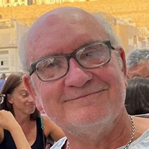 Emeritus Professor of International Politics and Public Policy and Director of the Institute for the Study of Knowledge in Society at the University of Limerick. Kirby’s journey into development education was shaped by his studies in theology, history, and his experiences in Latin America.
P4, Guest 2. Adrienne Boyle
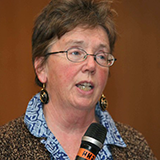 Adrienne Boyle is a long-standing advocate and leader in global citizenship and development education in Ireland. With a background rooted in social justice from an early age, she was inspired by movements like the suffragettes and global issues such as the Vietnam War and the Biafra crisis. Her activism and passion for justice led her to become deeply involved in the development education sector.
P4, Guest 3. Patsy Toland
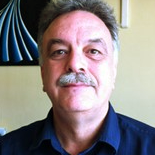 A musician, photographer, and former secondary school teacher who has worked with organisations such as Self Help Africa. His career is characterized by a focus on global equality, community engagement, and educational initiatives that connect local actions with global perspectives.
Global Hub Programme 4
In this episode, Gertrude Cotter interviews three key figures in the Irish development and global citizenship education space: Peadar Kirby, Adrienne Boyle, and Patsy Toland. They reflect on their personal journeys and experiences with development education, as well as the evolution of the sector in Ireland.
Peadar Kirby shares his early exposure to Latin America, where he was inspired by liberation theology and dependency theory, and he critiques the traditional notions of “development.” Adrienne Boyle recounts her early influences, including her desire to be a suffragette as a child, and her work in global justice and development education, particularly with the Irish Development Education Association (IDEA). Finally, Patsy Toland speaks about his background as a teacher and his transition into development work, focusing on community education and the founding of initiatives like ChangeMakers in Donegal. Throughout, the discussion touches on critical approaches to development, the importance of grassroots engagement, and how development education has grown into a more organized and interconnected sector over time.
Listen to Programme 4: 1990s and 2000s (1hr)
Transcript: “Programme 4: 1990s and 2000s” is available for download in PDF format at
<http://praxisucc.ie/wp-content/uploads/2025/01/Radio_Prog-4_transcript_oral-hist-DE_2024.pdf>
(Opens in a new tab or window. To download, right-click and “Save as”: PDF = 300KB).
Programme 5: 2000s to today
P5, Guest 1. George Jacob
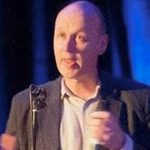 Head of Communications at Self Help Africa. He transitioned from journalism into development work and has seen the organization grow into one of Ireland’s leading overseas development charities. His work focuses on ethical communication and shifting the discourse in global development.
P5, Guest 2. Dorothy Jacob
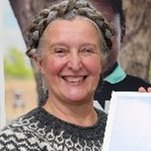 Head of the development education team at Self Help Africa. With a diverse career background in teaching performing arts, fashion design, and storytelling, Dorothy brings creative methodologies to global citizenship education.
P5, Guest 3. Sophie McElligott
 Student from St Joseph’s Mercy Secondary School Navan. Sophie and her classmate Salome Bordalo were winners of the BT Young Scientist & Technology Exhibition’s Science for Development Award, funded by Irish Aid, for their project on sustainable menstrual products for developing countries, related to the Self Help Africa project.
P5, Guest 4. Adedotun Adekeye (Ade)
 A migrant and development education facilitator who came to Ireland seeking asylum. He now works with organisations like Comhlámh and Galway One World Centre, focusing on issues of inequality and bias in global education.
Global Hub Programme 5
Episode 5 of Global Hub explores various aspects of global justice education, focusing on themes such as period poverty, gender equality, climate justice, ethical trade, and the importance of development education in Ireland. The show begins with a discussion between host Gertrude Cotter and George Jacob of Self-Help Africa, who shares his journey from journalism to the development sector. Dorothy Jacob then reflects on her work in education and gender equality, emphasizing the need for sustained engagement with students.
Sophie McElligott, a young student from Navan, highlights her award-winning project that tackles period poverty by creating sustainable menstrual products for women in third-world countries. The final segment features Ade Adekeye, a facilitator from Nigeria, who speaks about his experience in development education and his dedication to combating bias and promoting equality through his work with the Galway One World Centre.
Listen to Programme 5: 2000s to today (1hr)
Transcript: “Programme 5: 2000s to today” is available for download in PDF format at
<http://praxisucc.ie/wp-content/uploads/2025/01/Radio_Prog-5_transcript_oral-hist-DE_2024.pdf>
(Opens in a new tab or window. To download, right-click and “Save as”: PDF = 300KB).
Programme 6: Recent times
P6, Guest 1. Laura Power
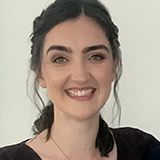 Laura Power is one of four education officers working with WorldWise Global Schools, a national global citizenship education program for post-primary schools in Ireland, funded by Irish Aid. Her work focuses on integrating global citizenship education into teaching and learning, with a focus on critical thinking and social justice.
P6, Guest 2. Dr Su-Ming Ku
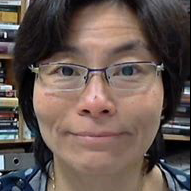 Dr Su-Ming Ku is a senior lecturer in sociology at NUI Galway, specializing in development studies, sociology of knowledge, and critical development studies. She has a rich background in international education, coming from Malaysia and having studied in the UK, and is a leading voice in global citizenship education and development studies in Ireland.
P6, Guest 3. Eric Ehigie
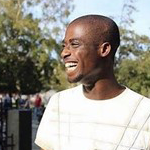 Eric Ehigie is a third-year corporate law student at NUI Galway, as well as the politics coordinator for Black and Irish, an organization focused on racial justice, advocacy, and integration for Black and mixed-race Irish communities. He is also a podcaster and writer, with a particular interest in activism, race relations, and political education.
Global Hub Programme 6
In this episode of The Global Hub, Gertrude Cotter leads a discussion with three guests, Laura Power, Dr. Su-Ming Ku, and Eric Ehigie, on the evolution and impact of global citizenship education (GCE) and development education in Ireland. Laura Power explains the work of WorldWise Global Schools, emphasizing how critical theory and transformative learning have been incorporated into Irish post-primary schools. Dr Su-Ming Ku reflects on her own educational background, how critical theory shaped her academic work, and the challenges of integrating social justice education into higher education. Finally, Eric Ehigie discusses his experiences with Black and Irish, reflecting on how global citizenship intersects with race, identity, and class in contemporary Ireland. The conversation delves into the transformative power of education, addressing social justice, racial discrimination, and the importance of solidarity.
Listen to Programme 6: Recent times (1hr)
Transcript: “Programme 6: Recent times” is available for download in PDF format at
<http://praxisucc.ie/wp-content/uploads/2025/01/Radio_Prog-6_transcript_oral-hist-DE_2024.pdf>
(Opens in a new tab or window. To download, right-click and “Save as”: PDF = 300KB).
Programme 7: Development Education
P7, Guest 1. Vicky Donnelly
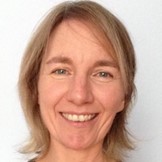 Vicky Donnelly is the coordinator of Galway One World Centre, an organization that focuses on global citizenship education and solidarity work. Vicky has been a significant figure in development education and anti-racism work in Ireland since the 1990s.
P7, Guest 2. John Barimo
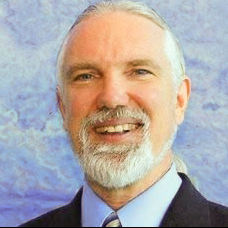 John Barimo is an environmental journalist and climate change advocate known for his work on sustainability and his contributions to media outlets. He has a passion for highlighting environmental issues and raising awareness about climate change and the destruction of ecosystems.
P7, Guest 3. Valerie Molay
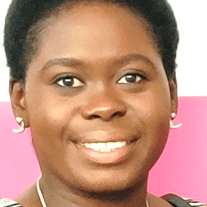 Valerie Molay is the Climate Justice Project Officer at the National Youth Council of Ireland. She is an advocate for youth empowerment and global citizenship education, with a strong focus on climate justice and creating spaces for young people to engage with global issues.
Global Hub Programme 7
Programme 7 of The Global Hub explores the personal journeys and experiences of individuals deeply involved in development education, global citizenship education, and activism. The show begins with Vicky Donnelly, who discusses her early influences, including growing up in an unconventional family and being exposed to global justice issues from a young age. Vicky explains how she became involved with the Galway One World Centre and reflects on the challenges of integrating anti-racism and decolonial perspectives into development education.
John Gibbons then joins the conversation to discuss environmental sustainability and the importance of reconnecting with nature. He emphasizes the role of education in addressing climate change and the need for long-term commitment to environmental justice.
Valerie Molay speaks about her work with the National Youth Council of Ireland, focusing on youth engagement and climate justice. Valerie shares her personal story of moving to Ireland from the Democratic Republic of Congo and how her experiences shaped her understanding of identity, social justice, and inequality. She highlights the importance of creating spaces for young people to discuss global issues and develop a sense of global identity.
Listen to Programme 7: Development Education (1hr)
Transcript: “Programme 7: Development Education” is available for download in PDF format at
<http://praxisucc.ie/wp-content/uploads/2025/01/Radio_Prog-7_transcript_oral-hist-DE_2024.pdf>
(Opens in a new tab or window. To download, right-click and “Save as”: PDF = 300KB).
Programme 8: Development Education today and in the future
P8, Guest 1. Áine Doody
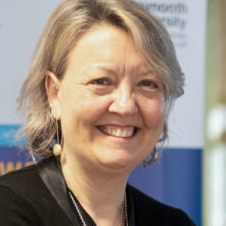 Head of Global Citizenship Education at Irish Aid. She discusses Irish Aid’s role in global education, emphasising the importance of development, awareness, and public participation in sustainable development efforts.
P8, Guest 2. Heather Campbell
 A seven-year-old student from Middleton Educate Together. She shares her thoughts on education, global issues, and how young people can contribute to a fairer world.
P8, Guest 3. John Smith
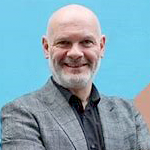 Director of Public Engagement with Trócaire. He talks about his journey into development education, the historical and contemporary relevance of development education, and the importance of partnership and activism in the sector.
Global Hub Programme 8
The eighth episode of the Global Hub focuses on the history and evolution of global citizenship and development education in Ireland. Gertrude introduces the show by outlining the longstanding tradition of activism and education in Ireland, emphasising how development education has evolved through various sectors like schools, universities, and community programmes.
Áine Doody of Irish Aid discusses the organization’s role in supporting global citizenship education in Ireland, touching on the formal education sector (primary, post-primary, and third-level education) and the importance of engaging new and marginalized audiences. She highlights Irish Aid’s partnerships and its approach to promoting participatory and action-oriented education.
Young Heather Campbell provides a refreshing perspective on global issues. She talks about the importance of education for girls, her experience in welcoming Syrian classmates, and the need for climate action. Heather’s insights underscore the importance of nurturing empathy and global awareness from a young age.
Finally, John Smith from Trócaire shares his journey from working in the corporate sector to becoming deeply involved in development education. He reflects on changes in the field, the importance of partnerships, and the necessity for development education to address both local and global issues. John also discusses the tension between activism and professional development education, emphasising that both elements are critical for fostering global citizenship.
Listen to Programme 8: Development Education today and in the future (1hr)
Transcript: “Programme 8: Development Education today and in the future” is available for download in PDF format at
<http://praxisucc.ie/wp-content/uploads/2025/01/Radio_Prog-8_transcript_oral-hist-DE_2024.pdf>
(Opens in a new tab or window. To download, right-click and “Save as”: PDF = 300KB).
Key Themes and Timeline
The eight programmes of the radio series on the history of development and global citizenship education in Ireland reveal a rich tapestry of efforts, challenges, and successes within this field. By delving into the stories, interviews, and reflections of various individuals engaged in this work, several key themes emerge: the roots of development education in Ireland, the evolution of methodologies and priorities, the struggle for inclusion and representation, and the tension between activism and professionalism. These episodes not only trace the chronological development of the sector but also highlight ongoing debates and challenges faced by those involved in global education.
In addition to an extensive analysis of those themes, the Full Resource “An oral history of DE in Ireland” also includes a detailed Timeline of Development Education in Ireland, which lists significant landmarks in the field from 1950’s to 2021. A link to this resource is available at the top of this page, after the Introduction.
Using Community Radio in GCDE
Community radio presents a powerful medium for engaging audiences in Global Citizenship and Development Education (GCDE). It serves as an accessible and democratic platform that can reach diverse populations, particularly in areas where other forms of media may not be as prevalent. This section of the Full Resource (Chapter 4) explores the benefits of using community radio for GCDE, provide guidelines for educators on how to effectively utilise this medium, suggest activities and discussion questions, and offer case studies highlighting successful implementations.
Chapter 4 of the Full Resource expands on the following topics:
- 4.1. Benefits of Using Community Radio for GCDE
- 4.2. Guidelines for Educators
- 4.3. Suggested Activities and Discussion Questions
- 4.4. Case Studies
- 4.5. Testimonials from Educators and Students
- 4.6. Using Community Radio and Podcasting for Learning and Advocacy
Guidelines for Educators
Development Education (DE) offers a rich resource for integrating global issues, social justice, and critical thinking into the curriculum. By utilizing oral histories, educators can create engaging and impactful lessons that resonate with students. This section of the Full Resource (Chapter 5) provides detailed guidelines for educators on how to use the oral histories in teaching, suggested activities and discussion questions, and strategies for integrating DE themes into various subjects.
Chapter 5 of the Full Resource expands on the following topics:
- 5.1. How to Use the Oral Histories in Teaching
- 5.2. Suggested Activities and Discussion Questions
- 5.3. Integration of DE Themes into Various Subjects
- 5.4. Case Studies
- 5.5. Testimonials from Educators and Students
Conclusion and future directions
This resource compiles key materials that provide a comprehensive view of the history, theory, and practice of Development Education in Ireland. It equips educators with scholarly works, practical tools, and diverse media to deepen their understanding and engagement with global citizenship and social justice.
Potential areas for further research and exploration in DE include:
- Impact Assessment: Conducting longitudinal studies to measure the long-term impact of DE programmes on learners’ attitudes, behaviours, and engagement with global issues.
- Digital Integration: Investigating the role of digital media and technology in enhancing DE, including the use of virtual learning environments, social media, and digital storytelling.
- Global Partnerships: Strengthening international collaborations to share best practices, resources, and experiences in DE, fostering a global network of educators and practitioners committed to social justice.
These resources and future research directions aim to support educators in their ongoing work to promote global citizenship and equip learners with the critical skills needed to navigate and address complex global challenges.
Full resource: “An oral history of development education in Ireland: A Resource for Higher Education Educators” is available for download in PDF format at
<http://praxisucc.ie/wp-content/uploads/2025/02/Radio_hist-DE_v4_col_01feb2025.pdf>
(Opens in a new tab or window. To download, right-click and “Save link as”: PDF = 2MB.
If you see the message “This file can’t be downloaded securely”, please hover over the message to the ellipses “…” and select “keep”, and “Keep anyway“).
=== END of Resource: We lived it: An oral history of development education in Ireland ===
© 2025. All rights reserved. Praxis UCC.
