Contents (go to): Introduction ¦ How to use this resource ¦ Direct-Action ¦ Direct-Action on Palestine ¦ Planning and executing Direct-Action ¦ Conclusion ¦ Resources

An educational resource on direct-action in global citizenship education
Author: Dr Gertrude Cotter
Principal investigator: Dr Gertrude Cotter
The Praxis Project, School of Education, UCC, February 2025

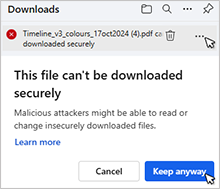 Full resource: “Liberated Zone – An educational resource on Direct Action in Global Citizenship Education with special focus on Palestine: Practical tools for engaging students in anti-racism through creative expression” is available for download in PDF format at
<http://praxisucc.ie/wp-content/uploads/2025/03/DirectAction_v5_testimonies_10mar2025.pdf>
(Opens in a new tab or window. To download, right-click and “Save link as”: PDF = 9MB.
If you see the message “This file can’t be downloaded securely”, please hover over the message to the ellipses “…” and select “keep”, and “Keep anyway“).
1. Introduction
This guide provides a snapshot of key themes, activities, and lessons from direct-action case studies and the “Camp Saoirse” encampment at UCC. It’s designed to help educators, students, and activists quickly access insights and practical tools for engaging with global citizenship and social justice education.
The primary purpose of this resource is to explore the role of direct-action as a powerful tool for achieving social change. Direct-action, in its various forms, has been used throughout history to challenge injustices, raise awareness, and bring about significant social and political changes. This resource aims to provide educators with a comprehensive understanding of direct-action, its historical significance, and its relevance in today’s world.
Additionally, this resource seeks to demonstrate how direct-action can be integrated into GCE pedagogy within third levels education, although much of the resource can also apply to senior level secondary education and to adult and community education. By providing practical strategies, case studies, and examples, this resource will support in educators and adult and community facilitators to engage students in discussions about direct-action and to encourage them to think critically about how they can use their voices and actions to effect change in their communities and beyond.
Intended audience
This resource is primarily designed for third-level educators and students who are engaged in Global Citizenship Education (GCE) and direct-action. It offers a comprehensive framework and participatory methodologies that are well-suited for higher education settings, where learners are encouraged to critically engage with complex global issues and take informed action. However, the resource is also highly adaptable for use in community and youth groups, as well as with senior-level second-level students, who can benefit from the critical thinking, collaborative learning, and active participation strategies it promotes. Additionally, with appropriate modifications, the resource can be tailored for younger audiences, ensuring that learners of all ages are empowered to understand and address global challenges in ways that are meaningful and accessible to them.
Full resource
The downloadable full resource is a document that expands on the condensed version presented online. It includes: Acknowledgements; Glossary of terms; Definition of global citizenship; Unpacking sections for each chapter and appendices containing among others: Detailed case studies for theoretical lens analysis; Timeline of the Palestinian – Israeli conflict; Timeline of pro-Palestinian activism in Ireland; Pro-Palestinian and Pro-Israeli narratives; Understanding the International Court of Justice; Student accounts on direct action through Camp Saoirse at UCC.
1.1. Core case study: BDS student encampment at UCC
The resource is anchored by a case study of a student-led encampment at University College Cork (UCC) in Ireland. This encampment was organised during the Summer of 2024 by students in support of Palestine, amidst the ongoing destruction of Palestinian people, life and infrastructure by the state of Israel. The encampment serves as a powerful example of how local student activism can be connected to broader global struggles for justice. The encampment at UCC was more than just a protest; it was a form of direct-action that sought to draw attention to the plight of Palestinians and to advocate for their rights. The students involved in the encampment used their voices and actions to challenge injustices and to call for change, both within their university and in the wider world.
By contextualising the encampment within the broader global movement for Palestinian rights, this resource aims to highlight the significance of student-led actions and their potential to contribute to global change. The encampment serves as a case study that illustrates the power of direct-action in raising awareness, challenging injustices, and fostering a sense of global solidarity.
1.2. How to use this resource
This resource is designed to be flexible and adaptable to a variety of educational settings, whether you’re a teacher in a classroom, a facilitator in a community education program, or someone looking to deepen your understanding of the Israel-Palestine conflict and the role of activism. You can choose to use the entire resource as a comprehensive guide or select specific sections that are most relevant to your needs.
Tailoring the resource to your context
Modular use
Each chapter stands alone, allowing you to use just the sections that align with your objectives. For instance, if you’re focusing on global citizenship, you might concentrate on the chapters related to activism and direct action, while a history class might delve into the historical timelines provided.
Encourage independent research
While this resource offers a robust foundation, it’s also designed to encourage further independent research and further exploration. Educators and facilitators are urged to supplement the material with their own research, additional resources, and creative ideas. This approach ensures that the content remains dynamic and relevant to the specific group you are working with.
Unpacking each chapter
At the end of each chapter, you’ll find a section titled “Unpacking this Chapter.” This is where the content of the chapter is brought to life through activities, discussion points, and reflective exercises. These sections are crafted to help you, and your participants engage more deeply with the material, encouraging critical thinking, collaboration, and reflection.
The full document is further supported by detailed appendices at the end of the resource. These appendices include additional methodologies, educator guides, and participant instructions that provide practical tools to facilitate learning and discussion.
Ideas by educational level
Second-Level Education
At this level, the resource can be used to introduce students to the basic concepts of activism, global citizenship, and the historical context of the Israel-Palestine conflict. Activities like role-playing and icebreakers help to build empathy and understanding, while discussions on the timelines help students draw connections between historical events and current issues.
Third-Level Education
For older students, the resource can be used in a more in-depth and analytical way. Encourage students to engage with the content through critical essays, debates, and independent research projects. The timelines can serve as a basis for comparative analysis, while the “Unpacking” sections offer methodologies for facilitating advanced discussions and critical reflections.
This resource is a guide, not a prescription. Its primary purpose is to provide you with the tools and frameworks needed to explore complex and sensitive issues in a thoughtful and engaging way. Use it as a starting point and don’t hesitate to adapt and expand upon it to suit the unique needs of your learners. Whether you’re teaching history, global citizenship, or social justice, this resource is here to support you in fostering a deeper understanding and commitment to these critical global issues.
1.3. Framing and theoretical lenses for direct action in GCE

To effectively engage with direct-action through GCE, it is important to apply various theoretical lenses that provide a deeper understanding of the issues at hand and guide the approach to activism.
1. Social Justice and Human Rights Lenses
These lenses emphasise the need to address systemic inequalities and advocate for the rights of marginalised communities. In the context of direct-action, this means focusing on actions that challenge injustices and promote the rights of all individuals, particularly those who are most vulnerable.
2. Postcolonial Lens
The postcolonial lens helps to critically examine the historical and ongoing impacts of colonialism, particularly how it has shaped global power dynamics and perpetuated inequalities. Direct-action through this lens involves decolonising practices and advocating for the rights and sovereignty of formerly colonised peoples.
3. Feminist and Ecofeminist Lenses
These lenses bring attention to the intersections of gender, environmental justice, and social equity. In direct-action, this means advocating for gender equality, addressing the disproportionate impact of environmental degradation on women and under-served communities, and promoting sustainable practices.
4. Critical Pedagogy Lens
Rooted in the work of Paulo Freire, the critical pedagogy lens emphasises the role of education in challenging oppression and fostering critical consciousness. Direct-action informed by critical pedagogy seeks to empower learners to question dominant narratives, resist oppression, and work collaboratively toward transformative change.
5. Intersectionality Lens
Intersectionality highlights the interconnectedness of various forms of oppression and privilege, such as race, gender, class, and ability. Applying this lens in direct-action means recognising the diverse and intersecting identities of individuals and communities and ensuring that activism is inclusive and addresses multiple layers of inequality.
Addressing educator bias in teaching direct-action
While educators and facilitators may have personal leanings, the challenge lies in maintaining a balanced approach that respects the diversity of perspectives. To address this dilemma, educators should strive for transparency about their biases while creating space for students to explore and understand multiple viewpoints. This approach fosters critical thinking and allows learners to form their own informed positions.
Balancing the desire to promote justice with the responsibility to present a comprehensive view requires careful consideration and self-reflection. Educators can model how to engage critically with complex issues while advocating for justice, demonstrating that it is possible to hold firm ethical convictions while still respecting and understanding differing perspectives.
1.4. Methodological guidance for educators and facilitators

Below is an overview of some of the methodologies which are used in this resource.
Icebreakers
Icebreakers are activities designed to warm up the conversation among participants and create a comfortable, open environment for learning. They often involve simple, low-pressure tasks that help people get to know each other and start thinking about the topic at hand. Icebreakers are useful at the beginning of a session to reduce tension, build rapport, and stimulate initial engagement. They help participants to feel more at ease and ready to participate fully in the learning process.
Working in Pairs or Small Groups
This approach involves dividing participants into pairs or small groups to discuss specific topics, questions, or problems. Working in smaller groups can make discussions more manageable and give each participant more opportunity to contribute. Small group work is particularly useful for fostering deeper discussion, allowing for a variety of perspectives to be shared in a more intimate setting. It also helps build teamwork skills and encourages collaborative learning. It is useful for learners who find it hard to talk or engage with larger groups.
Critical Media Analysis
Critical media analysis involves examining media content critically to understand the underlying messages, biases, and perspectives presented. This can include analysing news articles, social media posts, or other forms of media. This methodology helps learners develop media literacy by teaching them how to recognize bias, framing, and rhetoric in media. It is particularly useful for understanding how media shapes public perception of social issues and movements.
Case Studies
Case studies are detailed, real-world examples used to illustrate and analyse specific concepts or issues. They can be historical events, current situations, or hypothetical scenarios. Case studies are useful for applying theoretical concepts to practical situations. They allow learners to explore complex issues in depth, understand the context and implications of specific actions, and develop critical thinking by evaluating different approaches and outcomes.
Timelines
Creating and analysing timelines involves mapping out the sequence of events over a period, often highlighting key moments, changes, and developments. Timelines are useful for helping learners understand the progression and evolution of events, movements, or ideas. They provide a visual representation of history that can make it easier to grasp the cause-and-effect relationships between different actions and outcomes.
Image analysis
This approach involves analysing photographs, illustrations, or other visual media to understand their impact and the messages they convey. Images are powerful tools for conveying complex ideas quickly and emotively. Analysing images helps learners understand how visual elements can influence perception and mobilize support for social movements.
Using primary resources
Engaging with original sources is a critical practice in education, especially when exploring complex and contentious topics like international law, human rights, and geopolitical conflicts. Original sources, such as official documents, court opinions, treaties, and primary texts, provide an unfiltered and authoritative foundation for understanding and analysis. They ensure that learners are accessing the most accurate and reliable information, free from the interpretations or biases that can be present in secondary sources
The full resource provides details on the following reasons to use original resources: Authenticity and accuracy; Critical engagement; Comprehensive understanding and Balanced perspective. It provides a guide on how to use original resources in the classroom or workshop.
Facilitation skills
Effective facilitation is crucial for creating a productive and inclusive learning environment, particularly when addressing complex and sensitive topics like direct-action and social justice. The role of the facilitator is not only to guide discussions and activities but also to ensure that all participants feel heard, respected, and engaged.
The following key facilitation skills can enhance the learning experience in a classroom or workshop setting:
1. Active listening
Active listening involves fully concentrating, understanding, responding, and remembering what participants say during discussions.
Neutrality and managing bias
Neutral facilitation helps to create a balanced and inclusive environment where participants feel comfortable expressing diverse opinions without fear of judgment or bias.
3. Creating a safe space
A safe space encourages deeper engagement and more meaningful discussions, as participants feel assured that their contributions will be respected and considered.
4. Effective questioning
Thoughtful questioning can lead to richer discussions and deeper insights, helping participants to develop a more nuanced understanding of the subject matter.
5. Encouraging participation
Encouraging broad participation ensures that a variety of perspectives are heard, enriching the discussion and making the learning experience more inclusive and democratic.
6. Conflict resolution
Effective conflict resolution helps to maintain a positive and productive learning environment, ensuring that disagreements are handled in a way that fosters mutual respect and continued dialogue.
7. Adaptability
Adaptability ensures that the learning experience remains relevant and responsive to the participants, making it more engaging and effective.
8. Providing clear instructions
Clear instructions help to prevent confusion and ensure that activities are carried out effectively, maximizing the learning potential of each session.
By cultivating these facilitation skills, educators and community leaders can create dynamic, inclusive, and impactful learning environments that encourage active participation, critical thinking, and meaningful engagement with the topics of direct-action and social justice.
1.5. Integrating direct-action into GCE curricula

Pedagogical approaches
We suggest the following pedagogical approaches to incorporate direct-action into the classroom:
1. Experiential learning
Experiential learning involves students actively participating in activities that allow them to apply their knowledge in real-world contexts. Incorporating direct-action into the curriculum can provide students with hands-on experience in organizing, participating in, or analysing direct-action campaigns. After participating in direct-action activities, students should be encouraged to reflect on their experiences, analyse the outcomes, and consider the broader implications of their actions. This reflection can help to deepen their understanding and to connect the experience to the core principles of GCE.
2. Case study analysis
Analysing case studies of past “direct actions” can provide students with valuable insights into the strategies, challenges, and outcomes of different campaigns. The UCC encampment for Palestine, for example, can serve as a powerful case study for students to explore the role of direct-action in advocating for social justice. Encourage students to critically analyse the case studies, considering questions such as: What were the goals of the action? How effective were the strategies used? What were the challenges and obstacles faced? How could the action have been improved?
3. Project-based learning
Project-based learning allows students to take the lead in developing and executing their own direct-action campaigns. This approach fosters a sense of ownership and responsibility while providing an opportunity for students to apply what they have learned in a real-world context. Direct-action projects can be connected to other subjects in the curriculum, such as history, political science, or environmental studies. This interdisciplinary approach can help students to see the connections between different areas of knowledge and to understand the broader context of their actions.
4. Video as a teaching tool
Video can be used as an effective teaching tool. For example, the video documenting the UCC encampment for Palestine can be a valuable teaching tool for exploring direct-action in the classroom. You can find further details on how you might use the video in Chapter 4 below.
Assessment and evaluation
Assessing the impact of teaching direct-action in GCE involves evaluating both the knowledge and skills students acquire and their ability to apply these lessons in real-world contexts.
Measuring learning outcomes
Knowledge assessment
Use quizzes, essays, or presentations to assess students’ understanding of direct-action, its history, and its role in social movements. This can help to ensure that students have a solid grasp of the key concepts and principles.
Skill development
Evaluate students’ ability to apply the skills they have learned, such as organizing, public speaking, or critical analysis. This could be done through project-based assessments, where students develop and present their own direct-action campaigns.
Reflecting on student learning outcomes
Student feedback
Gather feedback from students about their learning experiences. What did they find most valuable? What challenges did they encounter? How did the experience impact their understanding of global citizenship and social justice?
Ongoing reflection
Encourage ongoing reflection throughout the course, allowing students to track their progress and to reflect on how their understanding and attitudes are evolving. This can help to foster a deeper and more sustained engagement with the issues.
Some organisations working in Global Citizenship Education
- Comhlamh. Available at <https://comhlamh.org/>
- Development Education. Available at <http://www.developmenteducation.ie>
- Galway One World Centre. Available at <https://galwayowc.wordpress.com>
- Irish Development Education Association. Available at <https://www.ideaonline.ie>
- Irish Aid. Available at <https://www.irishaid.ie/>
- Self Help Africa. Available at <https://selfhelpafrica.org/ie/>
- Trócaire. Available at <https://www.trocaire.org/>
- World Wise Schools. Available at <https://www.worldwiseschools.ie/>
Unpacking “Introduction”
This section provides a set of methodologies to help educators and facilitators unpack the concepts discussed in Chapter 1 of the resource. These activities are designed to engage participants actively and critically with the content, encouraging collaboration, reflection, and deeper understanding.
The downloadable full resource (see “Introduction” at the top of this webpage) includes details on methodologies: Icebrakers, working in pairs and small groups and framing and theoretical lenses.
2. Understanding Direct-Action

The primary goal of this section is to provide a comprehensive understanding of direct-action as a method for achieving social, political, and environmental change. It will explore the concept of direct-action, its historical significance, and its relevance in contemporary movements. The chapter will also highlight the crucial role of young people in direct-action, emphasising their voices and contributions to global and local movements. Through examples from around the world and Ireland, this chapter aims to inspire and equip educators, students, and activists with the knowledge and tools needed to engage in direct-action effectively.
Definition and scope of direct-action
Direct-action is a term that encompasses a wide range of activities aimed at achieving specific social, political, or environmental goals. It is characterized by the use of immediate, sometimes disruptive, tactics to bring about change. Direct-action is often employed when traditional avenues for change, such as lobbying or legal challenges, are perceived as ineffective or too slow.
Direct-action can take many forms, from peaceful protests and sit-ins to more confrontational actions like strikes or blockades. It can be non-violent or, in some cases, involve a degree of force, although the latter is much less common and often more controversial. The author of this resource recommends only non-violent direct-action as it does not harm any person, animal or planet, it aligns with the principles of many social justice movements and tends to be more effective in gaining public sympathy and support.
The scope of direct-action is broad, encompassing both small-scale, localised actions and large-scale, coordinated efforts that span regions or even countries. The impact of direct-action can also vary widely, from raising awareness of an issue to effecting significant legislative or social change. The effectiveness of direct-action often depends on the context in which it is used, the goals of the action, and the level of public and media support it garners.
2.1. Case studies of direct-action
2.1.1. The civil rights movement in the United States of America (1950s – 1960s)

Youth-led aspects: Young people were instrumental in this movement, and particularly through the sit-ins and the formation of the Student Nonviolent Coordinating Committee (SNCC), which played a key role in mobilizing young people.
2.1.2. The anti-apartheid movement in South Africa (1948 – 1994)

Youth-led aspects: The Soweto Uprising, driven by young students in 1976, was a critical moment in the internal resistance against apartheid, highlighting the significant role of youth in the movement.
2.1.3. The Dunnes Stores anti-apartheid strike in Ireland (1984 – 1986)

Youth-led aspects: The strike was led by young retail workers, emphasising the role of youth in global justice movements.
2.1.4. Greta Thunberg’s climate strikes (Global)

Youth-led aspects: The climate strikes are entirely youth-led, showcasing the power of young voices in advocating for environmental justice.
2.1.5. Take back the city movement in Ireland (2018)

Youth-led aspects: The movement was spearheaded by young activists, demonstrating the leadership and innovative approaches of youth in addressing contemporary social issues.
2.1.6. Gandhi’s nonviolent direct-action, Satyagraha (1930)

The Salt March of 1930, where Gandhi and his followers marched 240 miles to the Arabian Sea to make salt in defiance of British salt taxes, became a symbol of resistance and inspired widespread participation across India. The Quit India Movement of 1942 further mobilized millions of Indians to demand an end to British rule, despite severe repression. Gandhi’s unwavering commitment to nonviolence, mass mobilization, and moral persuasion not only contributed to India’s eventual independence in 1947 but also influenced global movements for civil rights and social justice.
Youth-led aspects: Gandhi’s movements were marked by significant youth involvement, with young Indians actively participating in protests, strikes, and acts of civil disobedience, showcasing the vital role of youth in driving social and political change.
2.2. Unpacking “Understanding direct-action”
To effectively use these case studies summarised above in an educational setting, educators and facilitators can adopt a variety of strategies to help learners critically analyse and draw lessons from these historical and contemporary examples of direct-action.
The downloadable full resource (see “Introduction” at the top of this webpage) includes details on suggested activities, including: Comparing case studies; Identifying success factors; Analysing messages and audiences; Exploring youth movement; Connecting to current issues; Debriefing notes for educators; Examples of instruction, and Taking action for change. The section concludes with a list of 24 references.
3. Direct-Action in the context of Palestine

Available at <https://www.irishexaminer.com/news/arid-41308201.html>
3.1. History of the Palestine-Israel relations
The Palestine-Israel conflict is one of the most enduring and complex conflicts in modern history, with deep historical roots that trace back to the late 19th and early 20th centuries. The conflict has evolved through various phases, driven by the rise of nationalist movements among both Jews and Arabs in the region of Palestine, and has been shaped by colonial interests, wars, and international diplomatic efforts.
This section provides a summary account of modern historical events of the Palestine-Israel context. Readers interested in learning more about earlier historical tensions between the distinct groups of inhabitants of that region of the globe may begin their journey following the list of references at the end of this section in the full resource.
The downloadable full resource (see “Introduction” at the top of this webpage) includes appendices covering: A timeline of the history of Palestine. A Pro-Palestinian narrative of the conflict, and A Pro-Israeli narrative of the relevant history.
Early Zionist movement and British involvement
In the late 19th century, amidst rising anti-Semitism in Europe, the Zionist movement emerged with the goal of establishing a Jewish homeland in Palestine, then part of the Ottoman Empire. The movement gained momentum under the leadership of Theodor Herzl and other key figures, who sought support from major powers for their cause.
Following the collapse of the Ottoman Empire after World War I, Palestine came under British control as a mandate from the League of Nations. The British government, through the Balfour Declaration of 1917, expressed its support for the establishment of a “national home for the Jewish people” in Palestine. This declaration, made without the consent of the Arab inhabitants of Palestine, laid the groundwork for future tensions.
During the interwar period, Jewish immigration to Palestine increased significantly, supported by the Zionist movement and facilitated by the British authorities. This influx led to growing tensions between the Jewish and Arab populations, as land purchases by Jewish settlers displaced many Palestinian Arabs. These tensions escalated into violent confrontations, including the Arab Revolt of 1936-1939, which was a major uprising against British rule and Zionist immigration.
The British response to the revolt was severe, and by the late 1930s, the Palestinian resistance was largely crushed. However, the British also began to limit Jewish immigration to Palestine in an attempt to quell Arab unrest, a move that angered the Zionists. In response, Zionist militias, such as the Irgun and the Stern Gang, began a campaign of violence against both the British authorities and Arab civilians.
World War II and the path to partition
World War II and the Holocaust had a profound impact on the Zionist movement, strengthening the resolve to establish a Jewish state as a refuge for Jews. After the war, the British found themselves unable to manage the conflicting demands of Jews and Arabs in Palestine and decided to refer the issue to the newly formed United Nations.
In 1947, the UN proposed a partition plan that would divide Palestine into separate Jewish and Arab states, with Jerusalem as an international city. Despite Jewish support for the plan, the Arab population and surrounding Arab states rejected it, leading to increased hostilities.
The Nakba and the establishment of Israel
On May 14, 1948, as the British mandate ended, Zionist leader David Ben-Gurion declared the establishment of the State of Israel. This declaration was immediately followed by the first Arab Israeli war, as neighbouring Arab states invaded the new state. The conflict resulted in a decisive Israeli victory and the expansion of Israeli territory beyond the UN-proposed borders.
The war also led to the mass displacement of Palestinians, an event known as the Nakba, or “catastrophe.” Approximately 750,000 Palestinians were expelled or fled from their homes, becoming refugees. The newly established Israeli state implemented policies to prevent these refugees from returning, solidifying the demographic changes brought about by the war.
Continued conflict and international involvement
The decades following the establishment of Israel have been marked by continued conflict, including several major wars, such as the Suez Crisis (1956), the Six-Day War (1967), and the Yom Kippur War (1973). Each of these conflicts further shaped the borders and political landscape of the region.
The Six-Day War in 1967 was particularly significant, as Israel captured the West Bank, Gaza Strip, East Jerusalem, the Sinai Peninsula, and the Golan Heights. The occupation of these territories has remained one of the most contentious issues in the conflict, with Israel building settlements in the occupied territories despite international opposition.
The peace process and ongoing struggles
Efforts to resolve the conflict have included numerous peace processes and negotiations, most notably the Oslo Accords in the 1990s, which aimed to establish a framework for peace and the creation of a Palestinian state. However, these efforts have largely stalled, with periods of violence and political stalemate continuing to characterize the conflict.
The role of international solidarity movements has been crucial in keeping the Palestinian cause on the global agenda. Activists around the world have advocated for the rights of Palestinians, calling for an end to the occupation and for the recognition of Palestinian statehood.
Between October 2023 and September 2024, the Israel-Palestine conflict escalated dramatically following an attack by the Palestinian militant group Hamas on October 7, 2023. This attack, involving rocket barrages and armed incursions into Israeli territory, resulted in the deaths of over 1,200 Israelis, and the abduction of more than 200 hostages taken into Gaza. Israel responded with intense airstrikes and a ground offensive targeting Hamas infrastructure in Gaza, aiming to neutralise the group’s military capabilities. The conflict led to widespread destruction in Gaza, a humanitarian crisis, and significant loss of civilian life, with thousands of Palestinians killed and injured. The violence spread to other fronts, with clashes in the West Bank and rocket fire from Hezbollah in Lebanon, threatening to broaden the conflict regionally.
Over the following months, Israel maintained its military campaign to dismantle Hamas, vowing to continue operations until all hostages were released, and Hamas was neutralized. Diplomatic efforts by international actors, including the U.S. and Egypt, sought to broker ceasefires, but repeated attempts at negotiations faltered. The United Nations called for ceasefires and humanitarian truces, but Israel maintained that military action was necessary to eliminate the threat posed by Hamas. In September 2024, the United Nations General Assembly adopted a resolution calling for Israel’s withdrawal from the occupied Palestinian territories within 12 months, a move that was strongly condemned by Israel. As the conflict persisted, it continued to exacerbate the humanitarian crisis in Gaza, increase tensions in the region, and deepen international divides over the path to peace.
The ruling of the International Court of Justice (ICJ) 2024 and the UN General Assembly Resolution 2024

Available at <https://www.timesofisrael.com/un-general-assembly-demands-israeli-pullout-from-palestinian-areas-within-12-months/>
In 2024, the ICJ ruled that Israel’s occupation and annexation of Palestinian territories were unlawful under international law. This ruling, while non-binding, has added to the international pressure on Israel to end its occupation and has been celebrated by Palestinian leaders and global activists as a significant step toward justice.
Despite the ICJ ruling and continued international efforts, the situation on the ground remains dire for many Palestinians, with ongoing violence, settlement expansion, and a lack of progress in peace negotiations. The conflict remains a central issue in Middle Eastern politics and continues to be a focal point of global human rights discussions.
The history of the Palestine-Israel conflict is a testament to the complexities of national identity, colonialism, and international diplomacy, and it remains one of the most challenging issues for the global community to address. This is a very significant ruling and is explained in detail in Appendix C5 of the downloadable full resource, along with reactions from Israel and the international community.
In September 2024, the United Nations General Assembly adopted a resolution calling for Israel to withdraw from Palestinian territories within 12 months, including the removal of soldiers and civilians. The resolution, proposed by Palestinians and supported by 124 countries, also urges an arms embargo on Israel for any weapons potentially used in occupied territories. Israel condemned the resolution as harmful to peace and accused it of encouraging terrorism. The resolution follows a non-binding International Court of Justice ruling that Israel’s control of these territories is illegal. Several countries, including the U.S. and some European nations, either opposed or abstained from the vote.
Situation by September 2024
As the Israel-Hamas war enters its 11th month, it is firmly entrenched as one of the most destructive conflicts in recent memory.
The humanitarian crisis in Gaza deepens as Israeli attacks destroy over half of Gaza’s homes and damage critical infrastructure, including hospitals and schools. The situation is exacerbated by a 16-year-long blockade, leaving Gaza’s population in dire conditions.
As of September 2024, Gaza continues to suffer under intense Israeli bombardment and ground operations, with the population facing severe shortages of food, water, and medical supplies. The international community remains divided, with some nations calling for a ceasefire and others supporting Israel’s military actions. The conflict shows no signs of resolution, with the death toll and humanitarian crisis continuing to rise.
Total deaths
- Palestinians killed in Gaza: at least 40,005.
- People killed in Israel: about 1,200.
- Palestinians killed in the West Bank: 623.
- People killed in Lebanon: around 530.
Civilians
- Civilians killed in Gaza: Gaza’s health ministry doesn’t distinguish between civilians and combatants in its count but says at least 5,956 women and at least 10,627 children have been killed.
- Civilians and foreigners killed in Israel: 860. Children killed in Israel: 53.
- Civilians killed since Oct. 7 in Israel along its northern border: 24.
- Civilians killed in Lebanon: 97.
Figures are sourced from the most recent updates from the Israeli military and prime minister’s office, the Health Ministry in Hamas-run Gaza, the U.N.’s Office for the Coordination of Humanitarian Affairs, and Associated Press reporting.
3.2. United States support for Israel
While the United States (US) support for Israel is robust, it is also a topic of significant debate both within the United States and internationally. Critics argue that US backing enables Israeli policies that contribute to the ongoing conflict with the Palestinians, while supporters contend that Israel is a crucial ally deserving of strong American support. Despite these debates, the US-Israel relationship remains one of the most enduring alliances in American foreign policy.
The United States has long been a significant supporter of Israel, providing it with substantial military, economic, and diplomatic backing. This support has been rooted in various strategic, political, and cultural factors. The US sees Israel as a key ally in the Middle East, a region of vital geopolitical importance due to its location and oil resources. This alliance is underpinned by shared democratic values, a strong pro-Israel lobby within the US, and the influence of evangelical Christian groups who view support for Israel as a religious imperative.
American support for Israel is most evident in its military aid. The US provides Israel with billions of dollars in military assistance annually, ensuring that Israel maintains a qualitative military edge over its regional adversaries. Additionally, the US has consistently used its veto power at the United Nations Security Council to block resolutions critical of Israel, thereby shielding it from international condemnation.
Protests within the US

Available at <https://asianlite.com/2024/top-news/trump-vows-to-punish-colleges-for-antisemitic-propaganda/>
The U.S. support for Israel has faced significant domestic opposition, particularly in response to Israel’s actions in Gaza and the West Bank. In 2023/2024, the U.S. has seen widespread protests against what many describe as Israel’s “genocidal” policies towards Palestinians. These protests have been especially prominent on university campuses, where students and faculty have voiced strong opposition to U.S. policies that they believe enable Israeli aggression. This growing dissent is reflected in the resignation of Columbia University president Minouche Shafik, who faced intense criticism for her handling of pro-Palestinian protests on campus. The protests at Columbia, which saw students call for the university to divest from Israel, were part of a broader wave of demonstrations across the U.S., highlighting the increasing polarization and activism on this issue.
The role of protests in the U.S. highlights the growing divide between the U.S. government’s official stance and the sentiments of many of its citizens, particularly younger generations and academic communities, who are increasingly critical of Israel’s treatment of Palestinians and the U.S.’s role in enabling it.
3.3. Direct-action in support of Palestine
BDS movement
Around the world, students and activists have organised various forms of direct-action in support of Palestine. These actions have taken many forms, from protests and marches to boycotts and divestment campaigns. These actions have had a significant impact on public discourse, raising awareness of the plight of Palestinians and challenging policies and practices perceived as unjust. One notable example is the Boycott, Divestment, and Sanctions (BDS) movement, which was launched in 2005 by Palestinian civil society groups.
The Boycott, Divestment, and Sanctions (BDS) movement was officially launched in 2005 by a coalition of over 170 Palestinian civil society organisations. This global movement seeks to apply non-violent pressure on Israel to adhere to international law and respect the rights of Palestinians. The BDS movement is inspired by the successful anti-apartheid movement in South Africa and aims to address what it sees as Israel’s violations of Palestinian rights. The movement operates on three main fronts:
This involves urging individuals, companies, and governments to avoid purchasing products and services from Israel or from companies that are complicit in the occupation of Palestinian territories. The boycott also targets cultural and academic institutions that are seen as supporting or normalizing Israeli policies that oppress Palestinians.
Divestment
BDS campaigns advocate for institutions such as universities, banks, pension funds, and churches to withdraw their investments from companies that are involved in Israel’s occupation of Palestinian territories or in human rights violations against Palestinians. Divestment efforts aim to financially isolate Israel and pressure it to change its policies.
Sanctions
The movement calls on governments worldwide to impose sanctions on Israel, similar to those used to end apartheid in South Africa. Sanctions can include military embargoes, trade restrictions, and the suspension of Israel’s participation in international forums, until Israel complies with international law and respects Palestinian rights.
 The BDS movement. Available at<https://bdsmovement.net>(Opens in a new tab or window).
Support for the BDS movement from around the world
South Africa
South Africa has a unique and profound connection to the BDS movement, given its own history of apartheid. Many South Africans, including government officials, have drawn direct parallels between the apartheid system they endured and the situation in Palestine. This has led to widespread support for the BDS movement in the country. Large-scale protests and official government statements have emphasised the solidarity between South Africans and Palestinians, with the South African government openly criticizing Israel’s actions and supporting the call for BDS. In addition, numerous South African universities and institutions have adopted BDS measures, refusing to engage with Israeli academic institutions or invest in companies that support the occupation.
United States
In the United States, the BDS movement has gained significant traction, particularly on college campuses. Students for Justice in Palestine (SJP) and Jewish Voice for Peace (JVP) are two of the most prominent organisations advocating for BDS. They have led successful campaigns to push universities to divest from companies that are complicit in the occupation. These efforts have often sparked intense debate and controversy, with some university administrations taking strong actions against BDS campaigns, such as involving police to dismantle protest encampments. Despite this, the movement continues to grow, reflecting a broader shift in public opinion, especially among younger Americans, who are increasingly critical of the U.S. government’s support for Israel.
A notable incident that underscores the impact of these movements occurred at Columbia University, where President Minouche Shafik resigned following months of criticism over her handling of campus protests related to the Gaza conflict. The university’s response to the protests, which included the arrest of over 100 students, highlighted the growing divide on U.S. campuses over the issue of Palestine.
Ireland
In Ireland, the BDS movement has found significant support, particularly among students. Inspired by similar actions at Columbia University in New York, students at Trinity College Dublin established a protest encampment that blocked access to the college’s Book of Kells exhibit, one of its most lucrative tourist attractions. Their actions succeeded when the college agreed to divest from Israeli companies operating in the occupied West Bank. This victory sparked similar campaigns at other Irish universities, including University College Cork and Queen’s University Belfast, where students have also pushed for their institutions to adopt BDS policies. At the University of Galway, student activism has led to a review of the university’s ties with Israeli institutions, with a focus on strengthening connections with Palestinian universities.
These cases demonstrate the growing influence of the BDS movement and its ability to mobilise global support for Palestinian rights. Despite facing significant opposition and challenges, the movement continues to be a powerful tool for raising awareness and challenging the status quo.
3.4. Unpacking “Direct-action in context”
This section provides ideas for educators on how they might use the information in this chapter and is supported by appendices.
The downloadable full resource (see “Introduction” at the top of this webpage) expands this section with ideas for educators on how they might use the information provided, including: Using timelines; using the two narrative accounts; Understanding the International Court of Justice (ICJ); and Taking a critical media analysis approach to the ICJ ruling. These ideas are further supported the appendices at the end of the full resource. The section concludes with a set of 15 references.
4. Case study – “Camp Saoirse” – UCC campus encampment for Palestine 2024

4.1. Camp Saoirse
The 2024 encampment at University College Cork (UCC), known as Camp Saoirse (“Freedom” in Irish), was a direct-action protest organised by students in response to the escalating violence and occupation in Palestine. It was a statement against the genocide being perpetrated by Israel on the Palestinian people, buildings, and infrastructure. The encampment served as a platform to raise awareness, express solidarity with the global Boycott, Divestment, and Sanctions (BDS) movement, and demand that UCC take a firm stand on the issue.
Camp Saoirse was set up on a prominent part of the UCC campus, on what is known as ‘the Quad’, a beautifully preserved old part of the university, used for graduation photographs and as a historical attraction for tourists to Cork city. Students and supporters occupied the space from May 14, 2024, for several weeks. The camp became a centre for activism, with participants organising discussions, workshops, and public demonstrations aimed at educating the campus and local community about the ongoing atrocities in Palestine. The students also issued a set of demands, urging the university to divest from companies complicit in the occupation of Palestinian territories and to make a public statement supporting Palestinian rights.
The name “Camp Saoirse” reflected the broader theme of freedom, both for Palestine and as an expression of solidarity from the Irish people. A group of staff, known at ‘Together4Palestine’ were also supportive of the students’ protest.
Over the course of six weeks, the camp engaged in a series of strategic direct actions. These included sit-ins, public demonstrations, and escalations designed to pressure UCC to sever ties with corporations linked to Israeli occupation. Participants took on various roles, from providing legal aid to coordinating logistics, fostering a strong sense of community and shared purpose.
Beyond the protest itself, Camp Saoirse evolved into a space for dialogue, education, and advocacy. It brought together diverse voices, facilitating discussions on global solidarity, the complexities of the Palestinian-Israeli conflict, and the importance of the BDS movement. Through these actions, the encampment not only pushed for institutional change at UCC but also contributed to a growing global movement for Palestinian liberation.
4.1.1. Timeline of the UCC – BDS encampment
 9 May 2024
Initial plans for the encampment are discussed by student activists. The encampment does not begin on this date due to a decision to delay the action.
14 May 2024
5:00 PM: The encampment officially begins. Students and activists begin setting up tents on the quad at University College Cork (UCC). Initially, there are only a few tents, and discussions arise about how to arrange them across the quad.
UCC security arrives, testing boundaries by suggesting the encampment stay within a single quad. In response, participants decide to expand into another area of the quad to prevent security from limiting their capacity for growth.
Metal barriers are set up by UCC, allegedly for fire safety reasons. Activists use these barriers for visibility, decorating them with flags and signs.

31 May 2024
Escalation at Graduation Ceremony. Several planned actions take place to disrupt the UCC graduation ceremony:
In the morning, participants write slogans in chalk from the amphitheatre to the quad, ensuring that attendees of the graduation ceremony will see them.
A tea stall with biscuits is set up to engage students and parents in conversation about BDS.
In the afternoon, a mock graduation is held, focusing on the victims of the Israeli occupation. The atmosphere becomes sombre as the activists carry out this symbolic act.
1 June 2024
The first camp meeting occurs, revealing that many central figures involved in negotiations with UCC are experiencing burnout. Despite dwindling community support and the university offering a concession, the camp decides to continue.
13 June 2024
Security demands that only UCC students be allowed to spend the night in the camp and begin checking IDs. This raises the concern that the Gardaí (Irish police) will be called to dismantle the encampment.
A call goes out for supporters to gather at the camp. The largest turnout since the start of the encampment occurs, including support from students in another university, who share strategies for dealing with security and law enforcement.
14-16 June 2024
The camp atmosphere becomes more intense. According to UCC students, suggestions from students of the other university lead to the encampment being fortified into a more defensive space. This change impacts the accessibility of the camp, particularly for members with mobility issues. Tension builds between over leadership and decision-making processes.
17 June 2024
Protest During Micheál Martin’s Visit: The camp stages a protest during the visit of Micheál Martin, then Taoiseach (Prime Minister) of Ireland.
In the afternoon, two participants are arrested, and one student is tackled to the ground. It emerges that one of the arrested students was carrying a blade, which exacerbates the situation. The arrested students were not UCC students.
Tensions rise between the UCC and other group following this incident, with an emergency meeting scheduled to address the growing conflict. The group of students from the other university eventually leaves the encampment.
19 June 2024
UCC staff provide evidence of UCC’s ties to Israel, which is publicly released by the encampment on June 20. This revelation puts additional pressure on the university administration.
20-26 June 2024
After another week of negotiations, UCC offers a proposal. The camp votes to accept the deal, with most participants agreeing that the summer break will decrease momentum and opportunities for further public pressure.
26 June 2024
End of the Encampment: After 6 weeks and 2 days, Camp Saoirse officially concludes. The university agrees to form a student-led group to review UCC’s links with Israel and commits to more transparency in future contracts potentially involving Israeli associations.
4.1.2. Student demands
The following is a short extract of the student demands presented to the University.
The downloadable full resource includes a copy of the full statement (see “Introduction” at the top of this webpage).
“Dear John O’Halloran, President of University College Cork,
These demands come in the context of the horrific ground invasion of Rafah. More broadly they lie in the material context of Israel’s historic and systematic destruction of Palestinian land, culture and lives. 280,000 displaced Palestinians, of which nearly half have fled Rafah since Friday the 10th of May, are at the mercy of Israeli airstrikes and ground forces, as well as the siege conditions leading to starvation and death due to the destruction of the healthcare system in Gaza. There is simply no more time to prevaricate on the nature of this crisis, or to simply release statements. We must immediately end Ireland’s complicity in the normalisation and realisation of the ongoing genocide. …”
The list of student demands was published on UCC BDS’ Instagram page. Available at<https://drive.google.com/file/d/1cDoKV6p1g1zsM3jpQxyTkEKkhDfHdegp/view>(Opens in a new tab or window).
4.1.3. Code of conduct at Cam Saoirse
The following is a short extract of the code of conduct at Camp Soirse, the Pro-Palestinian student encampment at UCC. The code was written by the organisers and enforced by all participants.
The downloadable full resource includes a copy of the full statement (see “Introduction” at the top of this webpage).
“We are all united under our list of demands and our solidarity with the Palestinian people, and all of our activity should reflect as such. If you violate any of these rules you may be asked to leave the camp. By participating, you are acknowledging that you agree to these demands and to the following:
- Do not litter and leave the area as you found it; take initiative to maintain a healthy camp environment. …”
The code of conduct at Camp Saoirse was published on UCC BDS’ Instagram page. Available at<https://docs.google.com/document/d/12Nacodc1rAW5r4i_Roh8GmWEnHApggu72sMr69BbTe4/edit?tab=t.0>(Opens in a new tab or window).
4.1.4. UCC-BDS agreement with UCC
The following is a short extract of the UCC-BDS agreement.
The downloadable full resource includes a copy of the full statement (see “Introduction” at the top of this webpage).
“UCC Palestine Solidarity Commitments and Actions (Final).
Concessions Timeline and Actions
Partnerships
- Establish a Group for Ethical/Human Rights Framework. …”
The UCC-BDS full agreement was published on UCC BDS’ Instagram page. Available at<https://drive.google.com/file/d/10J59R71Uerre_65kJ-ok7Qn95BpYn5I9/view>(Opens in a new tab or window).
4.1.5. UCC BDS Statement: Agreement with UCC Management
The following is a short extract of the UCC-BDS statement as agreed with UCC Management.
The downloadable full resource includes a copy of the full statement (see “Introduction” at the top of this webpage).
“On 26th June, UCC BDS and UCC SU reached an agreement with UCC college management to end the encampment, which had been running for 6 weeks and 2 days. This agreement was reached on the basis that Israeli institutions are to be recognised by UCC as partners of concern that require alert and pre-emptive action, as well as the formation of a working group involving students to address existing partnerships. Learning from the experiences of other encampments in Ireland, we have ensured that our concessions come with specific and detailed assurances, enabling accountability and preventing evasion through vague commitments. …”
The UCC-BDS full statement was published on UCC BDS’ Instagram page. Available at<https://drive.google.com/file/d/1vk-M0ddlcos-G6eOxXGOoxaPqzJmJffv/view>(Opens in a new tab or window).
4.2. BDS student voices

In this section, we explore the UCC student encampment through the voices of those who were on the ground, combining their personal experiences with an analysis of how this significant protest unfolded. This structure gives us a narrative shaped by those who were directly involved, while also providing insights into the strategies, challenges, and emotional journeys of the activists. This chapter is not just a reflection on the facts of what occurred, but a deeper exploration of activism, community-building, and the endurance required to keep a protest going.
It is acknowledged that this section is from the point of view of the students only. This section does not represent all voices involved but centres the perspectives of those who chose to engage in direct action, contributing valuable lessons for educators and activists alike. It does not claim to represent all voices involved in this process. It is intentionally focused on those who decided to take direct action, since this is the focus of this resource. These personal accounts offer a window into the direct action they took and how their participation evolved throughout the six-week protest. The students’ stories, as told here, highlight key moments of the encampment and reflect on the dynamics of solidarity, decision-making, and activism.
Students’ accounts summaries
The downloadable full resource (see “Introduction” at the top of this webpage) includes the accounts of the following students at Camp Saoirse:
- Jorge: From uncertainty to action
- Soph: Solidarity and organising for change
- Akeno: Legal advocacy and protecting rights
- Ash: The escalation of protest
- Kate: Building community and morale
- Fionn: Rejecting compromise
4.3. Ten themes and lessons from the encampment
The student accounts from the UCC encampment provide profound insights into the lived experiences of activism, offering valuable lessons for Global Citizenship and Development Education (GCDE). By examining their narratives, several key themes emerged, each contributing to a nuanced understanding of direct action in the context of GCDE.
The downloadable full resource (see “Introduction” at the top of this webpage) presents details of each of the following themes:
- Incremental involvement in activism
- The role of solidarity and community building
- Democratic decision-making and leadership challenges
- Navigating legal and ethical boundaries
- The dynamics of escalation and risk management
- The emotional impact and managing burnout
- Creative protest and public engagement
- Learning from conflict and adaptation
- The Importance of strategy and timing in negotiations
- The role of reflection and self-critique in activism
Conclusion: What student accounts offer to GCDE
The student accounts from the UCC encampment provide a rich tapestry of experiences that reveal the challenges, strategies, and emotional dynamics of direct action. They offer practical lessons for GCDE by highlighting the multifaceted nature of activism, from legal considerations and creative engagement to community-building and managing internal conflict. These themes underscore the importance of solidarity, strategic planning, and self-care in sustaining movements for social justice. For educators and students exploring GCDE, these narratives serve as a valuable resource for understanding how direct action can be a powerful tool for change and a space for learning and growth.
4.4. Unpacking “Case study: Camp Saoirse”
This section offers educators ideas on how to use the case study of Camp Saoirse for teaching and engaging students and adult learners. The encampment, which took place at University College Cork (UCC) in 2024, serves as a significant case of student-led activism, protest, and solidarity with the Boycott, Divestment, and Sanctions (BDS) movement. Educators can draw upon the students’ experiences, challenges, and outcomes to develop questions, activities, and discussions, making this case study relevant to third-level students, second-level senior students, and community groups.
The downloadable full resource (see “Introduction” at the top of this webpage) presents in detail the following teaching strategies: Using the encampment as a case study; Using the encampment for critical madia analysis; Discussion points for educators; and concludes with the suggestion of seven activities to enhance learning.
5. Planning and executing Direct-Action

Planning and executing direct-action is a complex but rewarding process that requires careful consideration of ethical principles, strategic planning, and the management of risks and challenges. By approaching direct-action with a clear understanding of the goals, the power dynamics at play, and the potential impacts on all involved, educators, students, and activists can engage in advocacy that is not only effective but also responsible and inclusive. Whether through sit-ins, protests, social media campaigns, or other forms of activism, direct-action remains a powerful tool for effecting social and political change, particularly when executed with careful planning and ethical consideration.
The rewards of direct-action, both in terms of immediate impact and personal growth, make the challenges worthwhile. Activists who engage in direct-action contribute to a legacy of social justice and change, building movements that can transform societies and create a more equitable and just world.
The downloadable full resource (see “Introduction” at the top of this webpage) expands on the following elements:
- Ethical considerations
- Conducting a power analysis
- Tactics and methods
- Legal and safety considerations
- Negotiation and dialogue
- Challenges and obstacles
- Rewards and impact
- Strategic planning
The section concludes with a list of 15 references to support the statements and provide additional information to the reader.
6. Conclusion
Reflecting on the role of direct-action in GCE
Direct-action is more than just a tool for immediate social change; it embodies the essence of Global Citizenship Education (GCE). In the context of GCE, direct-action serves as a practical manifestation of the values and principles that underpin this educational framework. It provides a dynamic platform for students, educators, and activists to challenge systemic injustices, advocate for human rights, and promote global solidarity.
The integration of direct-action into GCE allows for a unique form of experiential learning where theoretical knowledge meets practical application. This approach helps students understand the complexities of global issues by engaging with them directly. For instance, a direct-action campaign on climate change not only raises awareness about environmental issues but also fosters a deeper understanding of the interconnectedness of global systems and the impact of individual and collective actions.
Moreover, direct-action in the context of GCE encourages the development of a critical consciousness, an awareness of the social, political, and economic forces that shape our world. This awareness is important for fostering active global citizens who are not only informed but also motivated to take action. By participating in direct-action, students are not just learning about global issues; they are becoming part of the solution, contributing to the creation of a more just and equitable world.
Encouraging students to think critically about social change
One of the fundamental objectives of GCE is to cultivate critical thinking skills in students, particularly in relation to social change. Direct-action serves as an effective pedagogical tool in this regard by providing students with real-world scenarios that require them to analyse, strategies, and act.
Through engagement in direct-action, students learn to navigate the complexities of social movements, understanding that change is rarely linear and often requires persistence, resilience, and adaptability. They are exposed to the ethical dilemmas that arise in activism, such as balancing the need for urgent action with the responsibility to act in ways that are inclusive and just. These experiences challenge students to reflect on their values, question prevailing norms, and consider the long-term implications of their actions.
In addition to fostering critical thinking, direct-action in GCE promotes the development of practical skills such as leadership, communication, and negotiation. These skills are not only essential for effective activism but are also transferable to other areas of life, empowering students to become leaders and change-makers in their communities and beyond.
Furthermore, direct-action provides a space for students to explore different approaches to advocacy, from grassroots organising to digital activism. This exploration helps students understand that there are multiple pathways to effecting change and that successful activism often involves a combination of strategies tailored to specific contexts.
Bridging theory and practice
The integration of direct-action into GCE also serves to bridge the gap between theory and practice. It allows students to apply academic knowledge to real-world challenges, thus reinforcing their learning and making it more relevant and impactful. For example, students studying social justice issues can apply their understanding of theories of power and oppression in planning and executing a direct-action campaign. This application not only deepens their comprehension of the subject matter but also demonstrates the tangible impact of their knowledge.
Moreover, direct-action encourages students to think critically about the systems and structures that perpetuate inequality and injustice. By engaging directly with these systems, students gain insights into the barriers to change and the strategies that can be employed to overcome them. This experiential learning is invaluable in preparing students to navigate and challenge the complex realities of the globalized world.
The transformative power of direct-action
Ultimately, the inclusion of direct-action in GCE is about more than achieving specific campaign goals; it is about transforming individuals and communities. Direct-action empowers students to see themselves as agents of change, capable of making a difference in the world. This empowerment is crucial for fostering a sense of global citizenship, where individuals recognize their responsibility to contribute to the well-being of others and to the sustainability of the planet.
Direct-action also fosters a sense of solidarity, as students work together with others toward common goals. This collective action reinforces the idea that social change is a shared responsibility, and that lasting change often requires collaboration across diverse groups and perspectives.
In conclusion, direct-action is a vital component of Global Citizenship and Development Education. It not only enhances the educational experience by bringing theory to life but also empowers students to take meaningful action in the world. By engaging in direct-action, students develop the skills, knowledge, and values needed to become active, informed, and responsible global citizens, capable of contributing to a more just and equitable world. As educators, it is our responsibility to integrate these opportunities into the curriculum, ensuring that our students are prepared not just to understand the world, but to change it.
7. Further resources
The following resources, focused on Palestine, may be helpful to educators and students interested in learning more about direct-action and its role in GCE.
Books
Barghouti, Omar. BDS: Boycott, Divestment, Sanctions: The Global Struggle for Palestinian Rights. Haymarket Books, 2011.
Barrows-Friedman, Nora. In Our Power: U.S. Students Organize for Justice in Palestine. Just World Books, 2014.
Davis, Angela Y. Freedom is a Constant Struggle: Ferguson, Palestine, and the Foundations of a Movement. Haymarket Books, 2016.
Hill, Marc Lamont and Mitchell Plitnick. Except for Palestine: The Limits of Progressive Politics. The New Press, 2021.
Khalidi, Rashid. The Hundred Years’ War on Palestine: A History of Settler Colonialism and Resistance, 1917–2017. Metropolitan Books, 2020.
Pappe, Ilan. The Ethnic Cleansing of Palestine. Oneworld Publications, 2006.
Salaita, Steven. Israel’s Dead Soul. Temple University Press, 2011.
Shalhoub-Kevorkian, Nadera. Colonial Necrocapitalism and Occupation of the Senses.
Tamimi, Ahed, and Dena Takruri. They Called Me a Lioness: A Palestinian Girl’s Fight for Freedom. One World, 2022.
Young, Annemarie. Young Palestinians Speak: Living Under Occupation. Interlink Publishing, 2017.
Websites
All links open in a new tab or window.
Al Jazeera – Palestine: Comprehensive coverage of Palestinian issues.
Available at<https://www.aljazeera.com>
BDS Movement: The official site of the Boycott, Divestment, Sanctions movement.
Available at<https://bdsmovement.net/>
Comhlámh: Irish development workers’ organisation that supports global justice.
Available at<https://comhlamh.org/>
Cork Palestinian Support Group: Local Irish organisation supporting Palestinian rights.
Available at<https://www.corkpsc.org/>
Decolonize Palestine: A resource for learning about Palestine, debunking myths, and supporting decolonization efforts.
Available at<https://decolonizepalestine.com/>
Irish Palestinian Solidarity Campaign: An Irish organisation advocating for Palestinian rights.
Available at<https://www.ipsc.ie/>
Trócaire: The Irish Catholic Church’s overseas development agency, which supports Palestinian rights.
Available at<https://www.trocaire.org/>
Visualizing Palestine: Data-driven visual stories focused on Palestinian rights.
Available at<https://visualizingpalestine.org/>
Organisations
Al Jazeera: A media organisation that provides extensive coverage of Palestinian issues and global conflicts.
Ayni Institute: Focuses on social movement building, including support for the Palestinian cause.
Comhlámh: Irish association supporting social justice and global development, including Palestinian rights.
Concern Worldwide: An Irish humanitarian organisation involved in providing aid in conflict areas, including Palestine.
Cork Palestinian Support Group: A local Irish group advocating for Palestinian rights.
Irish Palestinian Solidarity Campaign (IPSC): A key Irish organisation supporting Palestine through advocacy and awareness.
Palestinian Feminist Collective: Advocates for the rights and liberation of Palestinian women.
Trócaire: Provides humanitarian assistance and advocacy for Palestinian rights within an Irish and global context.
Videos & documentaries
5 Broken Cameras by Emad Burnat – An Oscar-nominated documentary chronicling nonviolent resistance in the West Bank.
Gaza Fights for Freedom by Abby Martin – Highlights the plight of Gazans under blockade.
Jenin, Jenin by Mohammed Bakri – Documents the aftermath of the Battle of Jenin.
Naila and the Uprising by Julia Bacha – A powerful documentary on the role of women in the First Intifada.
Palestine Lives! Songs from the Struggle of the People of Palestine – A collection of songs reflecting the Palestinian struggle.
Roadmap to Apartheid by Eron Davidson and Ana Nogueira – Draws parallels between apartheid in South Africa and Israel’s policies in Palestine.
The Iron Wall by Mohammed Alatar – A documentary exploring the impact of Israeli settlements on the peace process.
Articles & resources
All links open in a new tab or window.
Aguayo, A. (2024, February 22). In Palestine with Books. Words Without Borders.
Available at<https://wordswithoutborders.org/read/article/2024-02/in-palestine-with-books-preti-taneja/>
Our History of Popular Resistance: Palestine Reading List.
Available at<https://docs.google.com/document/u/0/d/1RsRT57ucvNmrpwHCvK0fGyR1SaM3lxt0USmaZ15GXjU/mobilebasic?pli=1>
The downloadable full resource (see “Introduction” at the top of this webpage) includes templates for planning Direct-Action, including: Campaign planning template; Media engagement template; and Risk assessment template. The document also offers the following appendices:
- Appendix A: Chapter 1: Case studies for theoretical lens analysis.
- Appendix B: Detailed case studies.
- Appendix C.1: Comprehensive timeline of the Palestine – Israel conflict history.
- Appendix C.2: Timeline of activism in Ireland related to Palestine since 1970s.
- Appendix C.3: A pro-Palestine narrative of the history of Palestine.
- Appendix C.4: A pro-Israeli narrative of the history of Israel.
- Appendix C.5: Understanding the International Court of Justice’s (ICJ) 2024 ruling.
- Appendix D: Students’ accounts.
Full resource: “Liberated Zone – An educational resource on Direct Action in Global Citizenship Education with special focus on Palestine: Practical tools for engaging students in anti-racism through creative expression” is available for download in PDF format at
<http://praxisucc.ie/wp-content/uploads/2025/03/DirectAction_v5_testimonies_10mar2025.pdf>
(Opens in a new tab or window. To download, right-click and “Save link as”: PDF = 9MB.
If you see the message “This file can’t be downloaded securely”, please hover over the message to the ellipses “…” and select “keep”, and “Keep anyway“).
=== END of Resource: Liberated Zone: Direct-Action ===
© 2025. All rights reserved. Praxis UCC.